
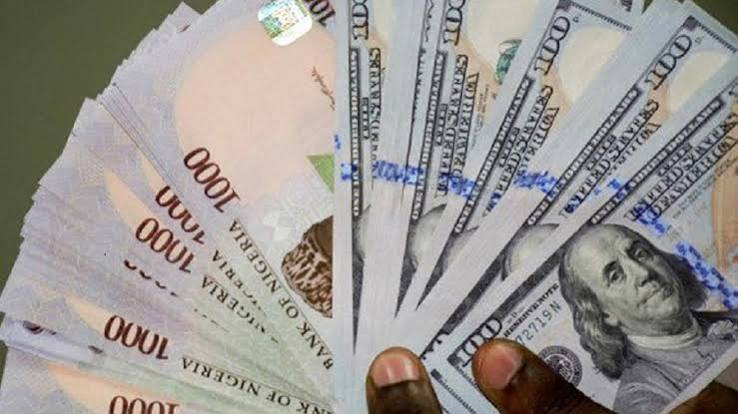
The naira turned in a mixed showing against the United States dollar on Tuesday, July 7, 2026, steady at the official window even as it lost a little ground on the streets, a pattern that has come to define the currency’s day to day movement in recent months.
At the official Nigerian Foreign Exchange Market, known widely by its shorthand NFEM, the local currency traded at roughly ₦1,367.29 to the dollar. That figure, drawn from the volume weighted average of completed transactions in the formal market, points to the kind of steadiness the Central Bank of Nigeria has been working hard to protect through its liquidity management. It sits comfortably within the band the naira has occupied all week, having closed around ₦1,370 in the previous session according to figures published on the CBN’s platform.
The parallel market told a slightly different story. There, in the space commonly called the black market, the dollar changed hands at about ₦1,400, a modest softening of the naira compared with the last trading day. Traders and dealers, as widely reported across the market, put the movement down to the familiar pressure of demand for foreign currency outside the official channels, the sort of demand that never fully disappears no matter how stable the formal window looks.
What continues to draw attention, however, is not the daily wobble but how close the two markets have stayed. The gap between the official NFEM rate and the parallel market stood at around ₦33 to the dollar on Tuesday, a narrow spread by the standards of just a few years ago. For much of the last decade, the distance between the two rates ran into the hundreds of naira, feeding round tripping, arbitrage and the kind of speculation that made the currency notoriously difficult to predict. That the gap has tightened this much is one of the clearer signs that the foreign exchange reforms rolled out since mid 2023, when the CBN moved to unify the country’s multiple exchange rate windows and allow the naira to trade more freely, are still doing some of the work they were designed to do.
It has not been a smooth ride to get here. The naira went through a heavy and painful adjustment after the reforms took hold, sliding sharply as the market found its level and inflation bit hard into household budgets. The turbulence of 2023 and 2024, when the currency lurched from one record low to another, is still fresh in the minds of importers, manufacturers and ordinary Nigerians who watched prices climb almost weekly. Against that backdrop, the relative calm of 2026, with the official rate holding in the ₦1,360 to ₦1,375 range for much of the year, reads as hard won rather than accidental.
Where the currency goes from here will come down to the same handful of forces that have long shaped its fortunes. Foreign exchange analysts, in positions widely aired in the public domain, point to dollar liquidity as the first factor, followed closely by inflows from oil exports, the country’s single largest earner of foreign currency. Foreign portfolio investment, which can flow in and out quickly depending on investor mood and global interest rates, remains another swing factor, as does the pace and timing of the CBN’s own interventions in the market.
On the demand side, the appetite of importers and manufacturers for dollars stays a constant presence. Nigeria still buys a great deal of what it consumes from abroad, from refined fuel to raw materials, and that steady hunger for foreign exchange keeps a floor under demand even in quiet weeks. Diaspora remittances, meanwhile, continue to offer a useful cushion of inflows on the other side of the ledger.
For now, the picture is one of a currency finding its footing rather than racing in any direction. At the prevailing rates, a dollar fetched about ₦1,367.29 at the official NFEM window and roughly ₦1,400 in the parallel market on Tuesday, a spread narrow enough to suggest the reforms are still holding volatility in check, even as the naira remains sensitive to every shift in supply and demand.