
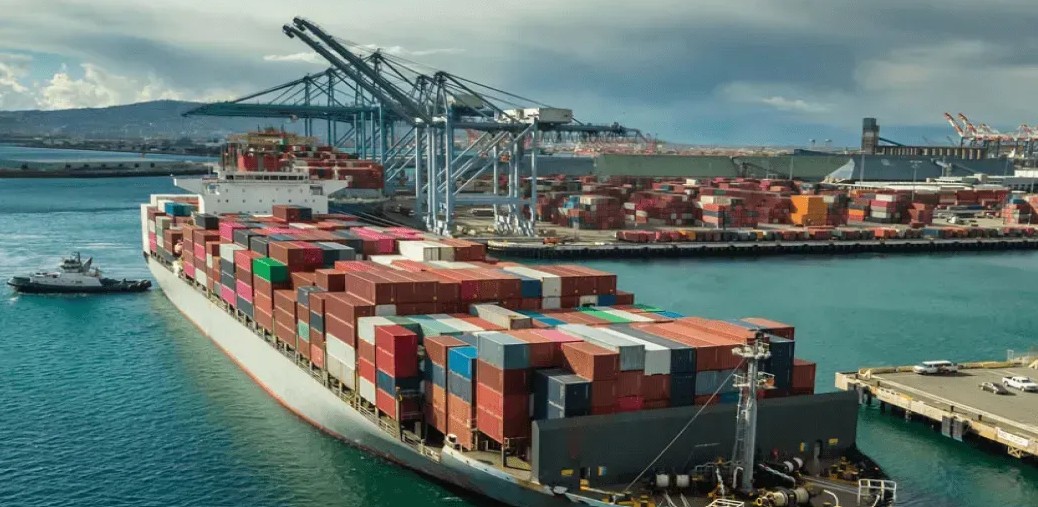
Nigeria’s maritime sector faces an existential threat as neighbouring ports in the Benin Republic and Togo attract an increasing share of regional trade. A new policy advisory from the Sea Empowerment & Research Center (SEREC) warns that persistent operational rot is driving cargo away from Nigerian shores. While customs revenue grew by 12 to 18 per cent in early 2026, this metric obscures deeper structural failures. Efficiency remains elusive in the country’s ports.
Data from the first quarter of 2026 paints a grim picture. Average cargo dwell time now exceeds 15 days, while vessel turnaround fluctuates between four and six days. These delays act as a hidden tax on every container that passes through. Meanwhile, non-oil export throughput has fallen by 8 to 12 per cent. The system is structurally wired for imports, leaving exporters to bear the cost of systemic inertia.
Competitors in the Cotonou–Lomé corridor are exploiting these weaknesses. These ports offer lower costs, faster clearance, and predictable regulation. Nigerian-bound cargo is already being diverted to these hubs, supported by efficient transshipment and robust trucking networks. SEREC estimates that Nigeria could lose between 15 and 25 per cent of its cargo volume within the next two years. Geography is no longer a sufficient shield against superior service.
The fallout from this diversion extends beyond mere logistics. Nigeria faces direct revenue leakage through lost customs duties and port charges. The domestic logistics sector risks significant job losses as activity shifts across the border. Perhaps more concerning is the long-term strategic decline. Nigeria risks transitioning from a regional maritime hub into a peripheral market dependent on foreign port infrastructure.
The advisory stresses that cargo follows functionality. If the Nigerian system remains unresponsive, importers and exporters will continue to seek more reliable alternatives elsewhere. The current reliance on manual processes and poor terminal prioritisation creates a vacuum that neighbouring nations are eager to fill. Execution discipline is the only remedy. Without urgent reforms, these lost volumes will not return.