
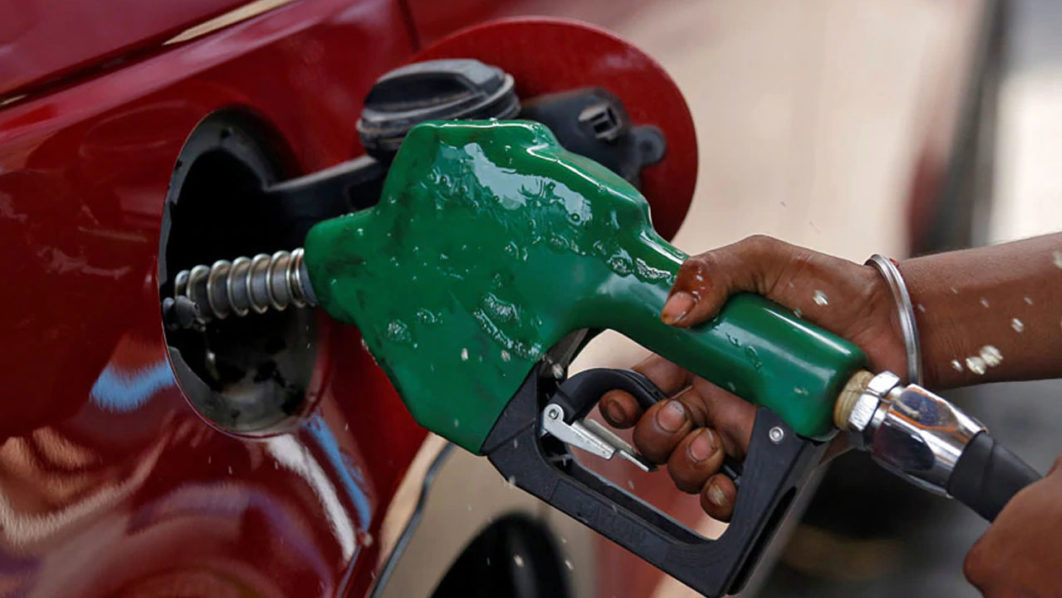
The Northern States Christian Elders Forum demanded on Thursday, 17 September 2026, that President Bola Tinubu immediately reverse the latest increase in the pump price of petrol. In a hard-hitting statement signed by its chairman, Elder Sunday Oibe, the socio-religious group warned that repeated fuel price hikes threaten to push millions of struggling families past the breaking point. The intervention follows sudden price revisions that saw petrol surge past 1,430 naira per litre at state retail outlets and climb well above 1,470 naira in outlying northern towns. The elders bluntly questioned how federal authorities can justify driving up living expenses when ordinary citizens can barely feed themselves. The group warned the administration that popular silence does not signal public contentment. Forbearance in the face of penury has dangerous limits.
The forum told ministers to stop using the retail fuel pump as a convenient fiscal shortcut to balance state accounts. Elder Oibe argued that if the federal government needs cash to meet statutory obligations, it must find sustainable fiscal alternatives rather than repeatedly punishing vulnerable households. Passing every administrative deficit and exchange rate loss directly to motorists and market traders destroys consumer demand across local markets. Small family businesses that rely on cheap fuel to run power generators and deliver farm produce now operate at sharp losses. Transportation fares in provincial trading centres climbed immediately after the new rates took effect. Food merchants have in turn adjusted prices on basic grains to cover freight overheads. Desperation grows when food bills outpace modest wages.
The Christian elders called on the president to spend the remainder of his first term addressing the visible misery of ordinary citizens. The statement urged the government to focus squarely on restoring lost purchasing power, creating jobs for idle youths, tackling banditry, and fixing decayed transport arteries. NOSCEF acknowledged that the administration has made scattered efforts in select sectors, but argued that widespread hardship proves those interventions remain woefully inadequate. The group noted that its leaders live and worship directly among rural communities and witness the daily collapse of household living standards first-hand. An aloof administration in Abuja cannot afford to ignore the genuine distress of citizens in provincial villages. Real leadership demands close contact with popular realities.
The statement cautioned the presidency against subordinating public welfare to political manoeuvring ahead of the 2027 general elections. The forum insisted that the survival and basic dignity of Nigerian citizens must matter far more than calculations about second-term party delegates and campaign war chests. Elder Oibe reminded the president that political legitimacy rests on the ability of the state to protect livelihoods and preserve peace. Economic policies that enrich state oil ledgers while emptying the pockets of ordinary workers erode whatever popular goodwill the government retains. Public anger over broken promises and high transport costs continues to simmer across northern communities. The elders warned that citizens will not accept perpetual hardship as a normal way of life. Ballot boxes punish leaders who ignore widespread penury.
The intervention from northern Christian leaders adds significant moral weight to a growing national backlash against the latest fuel price adjustments. Organised labour and prominent opposition figures have already spent the past forty-eight hours condemning the fresh increases at the filling stations. Trade unionists point out that the federal treasury currently enjoys windfall petrodollar gains from elevated global crude prices while ordinary workers face crippling inflation. The addition of influential religious voices from the North sharpens the political risk for the ruling All Progressives Congress. Religious institutions routinely absorb the shock of state policy failures by feeding hungry congregants and paying medical bills for penniless families. Clerics know exactly how thin household savings have run.
The group reiterated that high energy costs ripple through every single corner of the domestic economy, leaving no family untouched. In Nigeria, petrol does not merely fuel private motorcars for the wealthy. It powers the grinding machines of market traders, the irrigation pumps of dry-season vegetable farmers, and the delivery motorcycles of independent couriers. When state officials raise fuel prices, they directly push up the cost of maize, beans, medicine, and school fees across the thirty-six states. For families trapped on the national minimum wage of 70,000 naira per month, the latest adjustments mean skipping meals to afford bus fares to work. A policy that treats basic transport fuel as a luxury asset is economically blind. True fiscal stability begins with productive households.
The forum concluded by urging Mr Tinubu to demonstrate genuine empathy, listen to the public outcry, and withdraw the price increases without delay. The elders said the federal government must place the welfare of ordinary Nigerians at the centre of every major macroeconomic reform. Bureaucratic appeals to long-term market efficiency mean nothing to citizens who cannot survive the present week. Reversing the petrol hike offers the president a clear chance to show that his administration remains responsive to the cries of the governed. The Christian elders insist that the time for cosmetic palliatives has long passed. Tangible price relief must come first.