
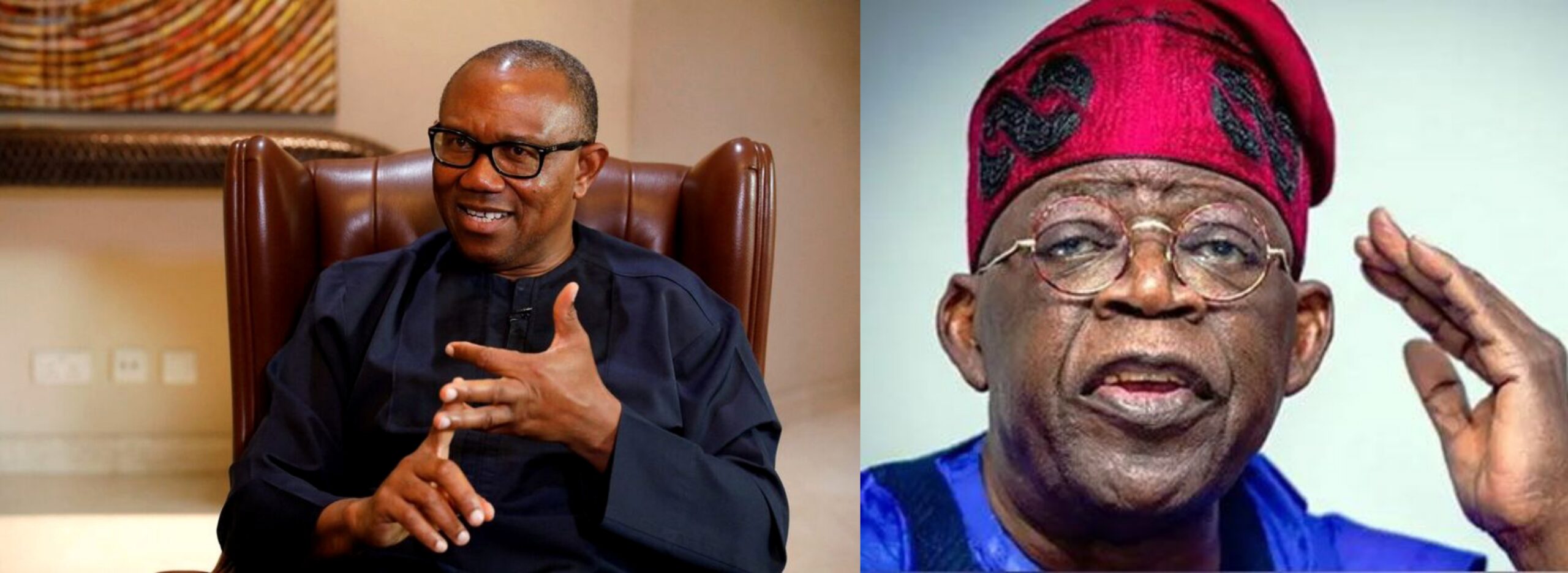
Peter Obi took direct aim at President Bola Tinubu on Wednesday, 14 October, seizing on a scathing United States Department of State investment report to dismantle official claims that painful monetary reforms have made the federation a magnet for international capital. Paper stability cannot mask institutional rot. The standard-bearer of the Nigeria Democratic Congress argued that ministerial cheers over higher reserve tallies crumble before Washington’s damning catalogue of systemic state bribery, lethal highway banditry, arbitrary police detentions, chronic port delays, and unpredictable commercial judges that frighten serious corporate boardrooms away from Africa’s largest consumer market.
The opposition challenger drove his critique home with official capital importation numbers from the first quarter of 2026, demonstrating that genuine foreign direct investment, the hard capital that erects steel plants and assembly lines, collapsed to a miserable one point three per cent of all external money entering the country. Hot money prefers quick financial speculation. While government ministers celebrate offshore hedge funds that park speculative dollars in high-yielding treasury bills to harvest twenty-seven per cent returns, genuine multinational conglomerates that install heavy machinery, hire local university graduates, and train factory technicians continue to flee the country because port gridlock and predatory tax collectors destroy their corporate bottom lines.
The American assessment confirmed what domestic factory owners in Ikeja, Bompai, and Trans-Amadi experience every single working morning as commercial power grids fail and regional highways turn into lucrative ransom traps for armed gangs. Sovereign decrees cannot restore basic trust. Western diplomats observed that while the administration floated the naira and scrapped universal fuel price subsidies to impress multilateral bankers in Washington, state regulators still hand out arbitrary corporate penalties, port customs officers demand heavy cash kickbacks to release ordinary cargo containers, and commercial courts take eight years to resolve routine contract disputes between trading partners.
Mr Obi underscored the bitter irony of an administration that spends billions of naira on overseas presidential junkets to woo foreign business leaders, while failing to secure the simple farming corridors and transport arteries where ordinary Nigerian merchants earn their daily bread. Foreign capital follows domestic business confidence. No sensible foreign boardroom will risk shareholder funds in a country where regional governors hoard hundreds of billions of naira in unspent basic school grants, where local fuel stations charge two thousand naira for a litre of petrol, and where factory managers must buy private diesel fleets and hire armed escorts just to move finished goods across state boundaries.
With the 2027 general election approaching fast, this fierce exchange sharpens the fundamental political battle between an incumbent presidency that peddles macroeconomic statistical abstractions to foreign lenders and an opposition challenger who gauges true national prosperity by the daily purchasing power of shopkeepers, market women, and struggling industrial workers. Voters remember their empty dinner plates. Unless President Tinubu reins in extortionate regulatory task forces, purges corrupt officials from southern maritime customs gates, and guarantees real physical security across productive agrarian belts, foreign enterprise will continue to bypass the federation, leaving grand promises of an economic renaissance as hollow political theatre in a deeply impoverished nation.