
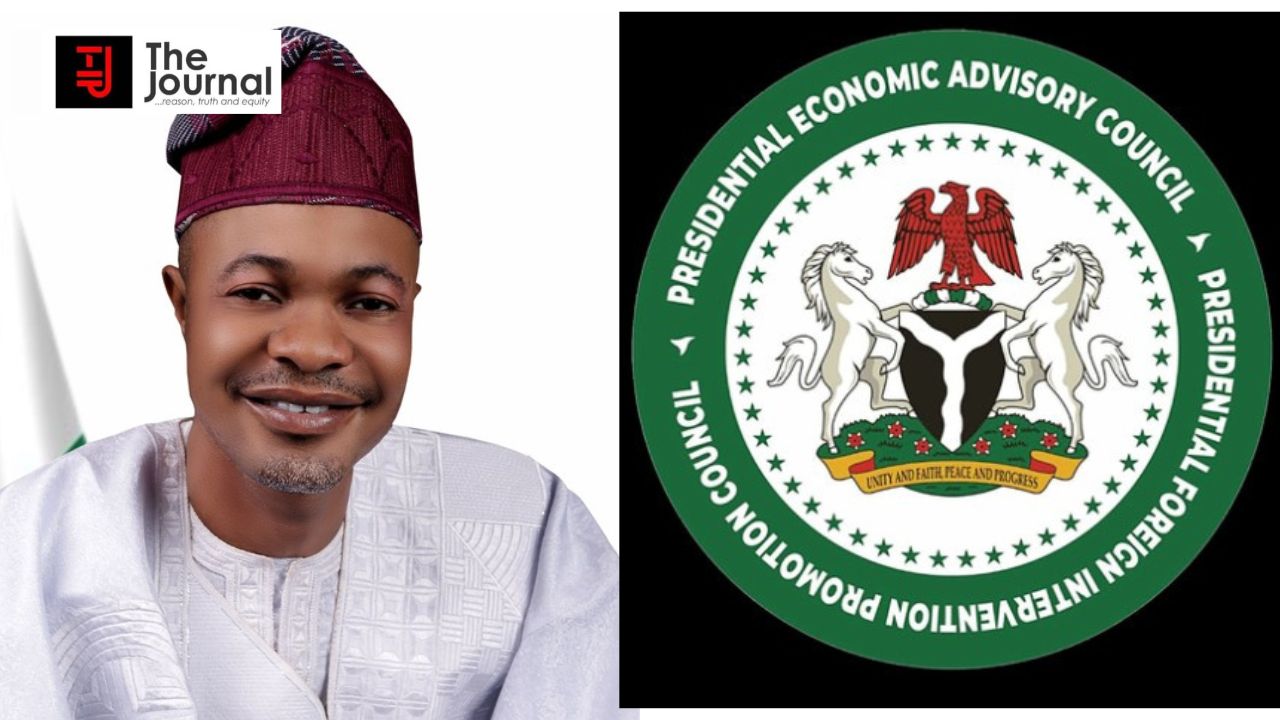
A Federal High Court sitting in Abuja declined to grant bail or private medical access to Prince Adeniyi Adeyemi Mathew on Thursday, 3 September 2026. The 38-year-old suspect ran a phantom government agency known as the Presidential Foreign Investment Promotion Council. Justice Obiora Egwuatu refused to order his immediate release from police cells without first hearing from the federal state prosecutors. The judge directed the Inspector-General of Police and the Attorney-General of the Federation to appear within 72 hours to explain why the court should not grant his fundamental rights suit. The court did grant Adeyemi direct access to legal practitioners of his choice at all reasonable hours. The ruling keeps the principal architect of Nigeria’s most brazen administrative fraud behind bars. High audacity meets hard judicial restraint in Abuja. The state moves slowly to untangle the mess.
Adeyemi filed a fundamental rights application to escape prolonged police detention and secure private hospital treatment. His legal team argued that failing health required his immediate transfer to specialised private doctors of his own choosing. Defence lawyers also sought an order barring detectives from interrogating him without his solicitors in the room. An affidavit sworn by his elder brother, Adeniyi Adebola, claimed that strict police confinement blocked him from meeting administrative officers. The court rejected those pleas, holding that the state deserves an opportunity to justify his continued detention. Detainees facing enormous fraud charges often discover sudden medical emergencies to dodge trial. Judges have grown weary of convenient hospital visits. The law demands proper answers before opening cell doors.
The suspect has remained in secure police cells since detectives tracked him down in Osun State in mid-July. A sister court under Justice Mohammed Umar had issued a bench warrant after Adeyemi repeatedly skipped criminal arraignment hearings. Police prosecutors filed an eight-count charge accusing him of forging presidential letterheads, official seals, and the national coat of arms. He allegedly minted an executive appointment letter bearing the forged signature of Femi Gbajabiamila, the Chief of Staff to the President. Investigators also accuse him of drafting bogus state collaboration memos to acquire public land across thirty-six states. The suspect operated as a sovereign baron without a single statutory decree. He ran a ghost empire on forged stationery. Criminal bluster works until real warrants arrive.
The scandal continues to reverberate across the civil service because of the ease with which Adeyemi captured public space. The suspect set up shop inside the Federal Secretariat Complex in Phase III, Abuja. He decorated executive suites, hired junior clerks, and issued identity cards to eager job applicants. Civil servants working in adjacent ministries walked past his doors for months without asking basic administrative questions. Adeyemi even secured a formal N1.3 billion capital code inside the 2026 Appropriation Bill through forged transmission slips. Bureaucrats processed his paperwork because the files carried crisp royal seals and bold type. Nigerian ministries often mistake neat typing for legal authority. Institutional laziness invited a fraudster to run an entire floor.
Adeyemi claims he fell victim to a shadowy syndicate of political fixers in the federal capital. The suspect told detectives he borrowed N400 million from private lenders to pay middle-tier brokers for his appointment. Those private creditors have now dragged him before the Economic and Financial Crimes Commission to recover their cash. He claims that mysterious intermediaries demanded more money before cutting off contact entirely. The saga took a dark turn when one associate, Dolapo Babatunde Tanimola, died in a suspicious fire at an Abuja hotel. Adeyemi now demands an independent multi-stakeholder panel to prove his claims. Political fixers sell phantom offices to ambitious fools every day in Abuja. Buying public office often ends in deep ruin.
The ruling follows a formal exoneration of Femi Gbajabiamila by a special committee of the House of Representatives. Lawmakers cleared the Chief of Staff after forensic handwriting experts proved that cartels forged his signature. Gbajabiamila alerted federal detectives after spotting strange circulars bearing his name in the State House. The legislative probe established that Adeyemi maintained links to fifty-eight separate bank accounts across tier-one commercial lenders. Bank managers accepted the forged paperwork because the documents looked genuine at a quick glance. Financial regulators failed to spot large cash transfers moving through accounts tied to an unregistered entity. Commercial banks chase cheap public deposits with blind enthusiasm. Corporate compliance often dissolves when big cash balances arrive.
Justice Egwuatu adjourned the matter to 9 September to hear from the Inspector-General of Police and the Attorney-General. Meanwhile, the substantive criminal trial before Justice Mohammed Umar resumes on 30 September for his formal plea. Federal prosecutors will call hotel managers, a clergyman, and former agency workers to take the witness stand. Two other conspirators, named only as Femi and Anu on the charge sheet, remain on the run. Detectives are combing financial trails to identify every public official who signed internal approvals for the phantom council. The trial will expose the administrative rot that plagues federal record keeping. The law moves slowly toward public trials. No one can hide behind forged stationery forever.
The federal government must overhaul its paperwork protocols to prevent another ghost council from hijacking public offices. Physical letterheads and paper seals belong to a distant colonial past. The head of the civil service should introduce digital tracking codes and cryptographic signatures across every ministry. Commercial banks need severe penalties from the central bank for opening official ledgers without corporate registration checks. Real estate managers inside the Federal Secretariat must run regular building audits to verify tenants occupying public suites. The state cannot afford to let fraudsters turn government offices into private crime dens. Public trust crumbles when anyone can print their own ministry. Paper security remains the primary shield of the state.