

Petrol Supply Falls Again As Nigeria Leans Back On Imports
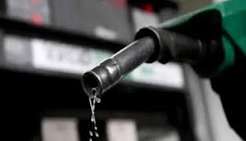
Nigeria’s local petrol production fell for a second consecutive month in July 2026, sliding to its lowest level this year and pulling the country back towards the fuel imports that the Dangote refinery was expected to displace.
Data from the Nigerian Midstream and Downstream Petroleum Regulatory Authority, NMDPRA, showed that average daily petrol supply from domestic refineries dropped by 20.6 per cent to 25.8 million litres in July, from 32.5 million litres per day in June. It was the lowest domestic figure recorded in the first seven months of the year and stood 37.1 per cent below the 40.1 million litres per day supplied in January.
The shortfall was partly covered by imports, which rose to 19.7 million litres per day in July from 18.1 million litres in June, an increase of 8.8 per cent. Even so, combined domestic and imported supply averaged 45.5 million litres per day, down 10.1 per cent from the 50.6 million litres recorded in June. It was the second straight monthly decline in total supply after combined volumes had climbed from 47.4 million litres in May.
The movement matters because it reverses, at least for now, the direction the market took earlier in the year. Local refining supplied 40.1 million litres per day in January, 29.4 million in February, 34.2 million in March, 40.7 million in April and a seven month high of 41.5 million in May, according to the regulator’s monthly fact sheets. From that peak, domestic output fell 21.7 per cent in June and a further 20.6 per cent in July. Imports told the opposite story. After the country brought in 24.8 million litres per day in January, imports collapsed to three million litres in February before creeping back up, then more than tripled to 18.1 million litres in June, a jump of 206.8 per cent over May, and rose again in July.
By July, domestic refineries accounted for about 56.7 per cent of total petrol supply and imports for 43.3 per cent, a far cry from May when local production covered almost 88 per cent of the market. The NMDPRA has set a 2026 consumption benchmark of 50 million litres per day for petrol, meaning July supply fell below the level the regulator considers adequate for national demand.
The figures return attention to how heavily Nigeria now leans on one facility. The Dangote Petroleum Refinery, a 650,000 barrels per day plant in the Lekki Free Zone, is the only refinery in the country currently producing petrol, as the modular refineries concentrate on diesel. When Dangote’s output dips, imports must rise to fill the gap, exposing consumers once again to the exchange rate and freight costs that domestic refining was meant to shield them from.
The regulator has not published a detailed explanation for the mid year decline. Domestic supply, as NMDPRA defines it, covers petrol lifted through the Dangote gantry as well as coastal evacuation volumes, while consumption reflects what is trucked into the market. Fluctuations in crude feedstock supply, maintenance cycles and product lifting logistics all affect how much reaches the pumps in any given month.
The supply story has unfolded alongside a running price contest. Dangote cut its gantry price for petrol to 1,165 naira per litre from 1,215 naira with effect from 6 August, then raised it by 20 naira to 1,185 naira per litre from 21 August, citing firmer conditions in the Lagos depot market. At that level the refinery’s price remained below the estimated cost of importing petrol. The Major Energies Marketers Association of Nigeria put the landing cost at about 1,218 naira per litre, and international benchmarks firmed as Brent crude traded above 94 dollars per barrel.
Those movements have not always reached motorists. Market surveys in the second half of August put pump prices in Abuja and surrounding areas at between 1,210 naira and 1,299 naira per litre, while stations in Lagos sold at roughly 1,240 naira to 1,260 naira. The gap between the refinery gate price and the pump reflects transportation, dealer margins and other operating costs, which is why a lower gantry price does not translate automatically into cheaper fuel.
The wider context is the removal of the petrol subsidy announced by President Bola Tinubu in May 2023, which ended the fixed pricing that had held pump rates artificially low for years and exposed Nigerians to a market that now moves with crude prices, the naira and refinery output. The commissioning of the Dangote refinery was presented as the counterweight to that volatility, promising to cut the import bill and conserve foreign exchange. The National Bureau of Statistics has reported a sharp fall in petrol import bills in early 2026 compared with a year earlier, evidence that domestic refining has reshaped trade flows even as monthly supply swings persist.
What the July data confirm is that the transition remains uneven. Local production can cover most of national demand in a strong month and fall well short in a weak one, leaving imports as the swing supplier and prices sensitive to global markets. What remains unclear is whether the second half of 2026 will restore the momentum seen in the second quarter or settle into the softer output recorded in June and July. The annual review of supply performance, and the behaviour of crude prices, will determine which way the balance tips.