
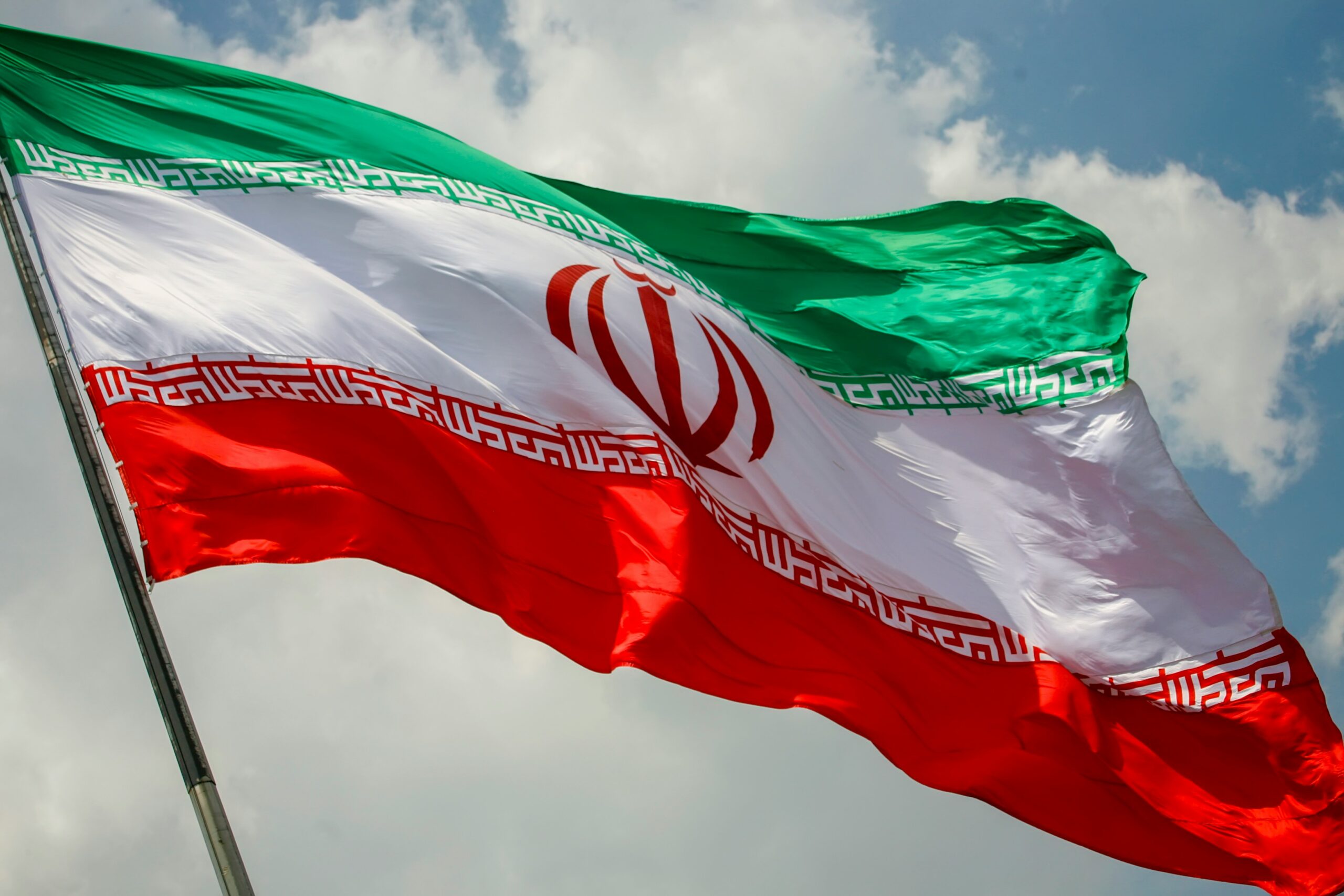
Iran has branded forthcoming United States economic sanctions a declaration of war against all sovereign nations. Iranian Foreign Ministry spokesperson Esmaeil Baghaei issued the warning after Washington announced sweeping secondary sanctions designed to isolate Tehran completely. The dispute escalated after Donald Trump declared that the White House views the Strait of Hormuz as American territory. Trump reiterated that Iran must never obtain nuclear weapons, insisting that Tehran remains unready for a final settlement. Coercive finance rarely commands universal international compliance. The war coverage shows that diplomatic tracks are vanishing fast.
The American plan threatens crippling secondary penalties against any nation maintaining commercial ties with Iranian firms. China immediately rejected the unilateral sanctions framework and demanded direct bilateral dialogue between the two warring capitals. Beijing buys the bulk of Iranian seaborne crude and resists American trade dictates across Asian waters. Other countries have begun breaking away from Western policy consensus to protect their domestic energy interests. Georgia explicitly declined to adopt European Union sanctions against Iran on Saturday. Unilateral economic edicts inevitably fracture global alliances.
Tensions across the Strait of Hormuz continue to endanger commercial shipping corridors despite military convoys. United States Energy Secretary Chris Wright said American forces assisted the movement of 15 million oil barrels through the waterway on Tuesday. Yet maritime risk remains acute for international tanker operators. The International Maritime Organisation Conflict Update reported 68 recorded maritime incidents and 19 seafarer deaths since February. Commercial transit cannot thrive under heavy military escort. Armed deterrence fails to secure civilian crews.
Regional diplomacy faces severe strains as Gulf states struggle to balance neutrality and security alliances. Iranian and Omani foreign ministers held urgent telephone discussions on Saturday to explore bilateral shipping protocols for the strait. Meanwhile, the United Arab Emirates suspended all trade, commercial, and financial transactions with Tehran over cross-border missile allegations. Proxy strikes across Lebanon and Syria also continue to undermine regional ceasefire efforts. Expanding conflict borders make local mediation increasingly perilous.
Iranian officials insist that decades of economic isolation have prepared their domestic economy for prolonged confrontation. Foreign Minister Abbas Araghchi dismissed the American pressure campaign as an attempt to distract from domestic political friction. Iranian defence officials claimed that domestic weapons manufacturing doubled over the past twelve months. Tehran calculates that elevated global oil prices will impose high economic costs on Western consumers. Heavy sanctions often harden ideological defiance rather than prompt surrender.
The standoff now leaves world energy markets vulnerable to sudden maritime miscalculations. With formal negotiations frozen and economic penalties expanding on Monday, neither side possesses an easy diplomatic off-ramp. Washington is betting that a total financial blockade will force capitulation. Tehran relies on asymmetric coastal operations and alternative Asian markets to survive the storm. Prolonged trade warfare inevitably spills into physical combat. Maximum pressure invites maximum resistance.