
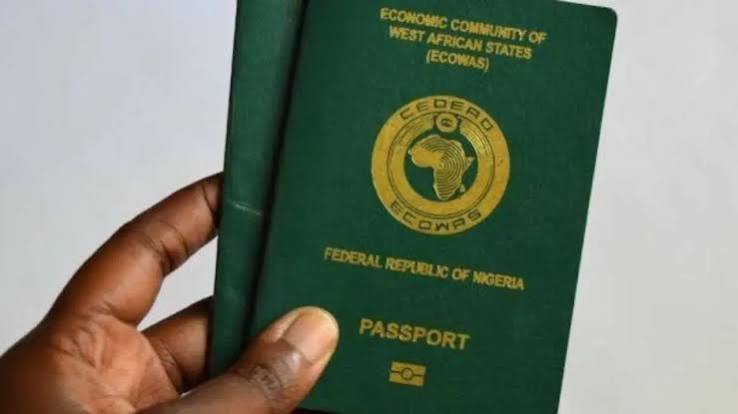
The Nigerian High Commission in London has moved to refund £50 to Nigerians who paid a £70 administrative charge during the ongoing special passport intervention exercise, a decision that follows two weeks of protests, technical failures and questions over whether the fee was ever properly authorised.
In a notice published on its website on Friday, 11 September 2026, the commission said applicants who paid the £70 charge would keep only £20, described as the standard administrative fee, with the balance returned. “This is to inform all passport intervention applicants that have paid £70 admin fee that £50 will be refunded to you, £20 being the standard admin fee,” the notice read. The refund effectively rolls the charge back to the £20 rate that was fixed during the administration of the late President Muhammadu Buhari for earlier interventions of this kind.
The climbdown is significant because the higher fee appears to have been introduced without the approval of the Ministry of Foreign Affairs. TheCable, which first reported the details, said the £70 charge was imposed despite an earlier directive limiting what Nigerian missions could charge for making their premises available for such exercises to £20, and that applicants replacing lost or damaged passports were being asked to pay a further £150. Officials connected to the exercise were quoted as saying the additional payment was meant to facilitate the process and raise revenue, with fees reportedly collected from about 3,000 applicants at venues able to handle fewer than 300 people a day. Those figures have not been independently confirmed by the commission.
The exercise itself was designed as a relief measure. The Nigeria Immigration Service announced in late August that a passport intervention team from its Abuja headquarters would be deployed to four British cities, London, Manchester, Aberdeen and Cardiff, on the directive of the Minister of Interior, Olubunmi Tunji-Ojo. London and Manchester were scheduled to run from 7 to 19 September, with Aberdeen and Cardiff to follow from 21 to 26 September. The stated purpose was to allow eligible Nigerians to apply for new passports, renew existing ones and clear pending applications closer to where they live.
It ran into trouble almost immediately. On the opening day, 7 September, video footage circulated of applicants gathered outside a locked venue in Manchester after hours of waiting, while a separate crowd in London was asked to leave a hired lounge. The immigration service, in a statement the following day, attributed the disruption to a brief technical downtime that affected biometric capturing, particularly in Manchester, and said the problem was resolved. It put the number processed on that first day at 230, comprising 140 in Manchester and 90 in London. Tunji-Ojo said he was concerned about the difficulties Nigerians were facing and that his ministry was working with the Ministry of Foreign Affairs to resolve them.
The fee dispute ran alongside the logistical problems. On 8 September, the Federal Government said applicants were expected to pay only the official passport fees, apart from applicable bank charges, and that neither the Interior Ministry nor the immigration service had introduced any additional fees. The immigration service reinforced that position on 11 September, restating that the official charges remain 162 dollars for a five-year booklet and 242 dollars for a ten-year booklet, and that no extra payment was required to take part. Its spokesman, Deputy Comptroller of Immigration Akinsola Akinlabi, said the process was fully automated and cashless. The commission’s refund notice, issued the same day, brought the two positions into line by acknowledging £20 as the only administrative charge.
Despite the controversy, demand did not slow. The immigration service said 1,477 Nigerians were processed and enrolled within the first four days at the London and Manchester centres, with more than half of those passports already produced and dispatched. Citing the turnout, the service extended the exercise in both cities from 19 September to 3 October. It advised applicants to book through the commission’s official portal and to present a completed form, payment receipt, appointment slip, current passport where applicable, and a self-addressed return envelope.
The episode sits within a longer running effort to fix passport access for Nigerians abroad, an issue that has drawn repeated complaints about backlogs, booking bottlenecks and unclear charges at several missions. The pressure on European posts in particular has grown alongside years of heavy skilled migration from Nigeria, which has swelled the diaspora population needing consular services. Interventions of this type, where a team travels from Abuja to capture biometrics and clear a backlog in person, have become the government’s main response, and the UK exercise is among the largest attempted recently.
What the refund does not fully settle is the question of oversight. The Buhari-era £20 cap was a written directive, yet a charge more than three times that amount was collected before the ministry publicly disowned it, and the £150 charge for lost passports has not been addressed in the refund notice. The commission has not said how many people paid the £70 fee, how the refunds will be processed, or over what timeframe applicants can expect their money back. It has also not explained who authorised the higher charge in the first place.
For now, the practical position is clearer than the accountability one. Applicants in London and Manchester have until 3 October to complete the exercise, the official passport fees are the only mandatory charges, and those who paid £70 are owed £50. Whether the government pursues the wider questions the episode has raised, about how an unapproved fee came to be levied on thousands of citizens at a diplomatic mission, remains to be seen.