
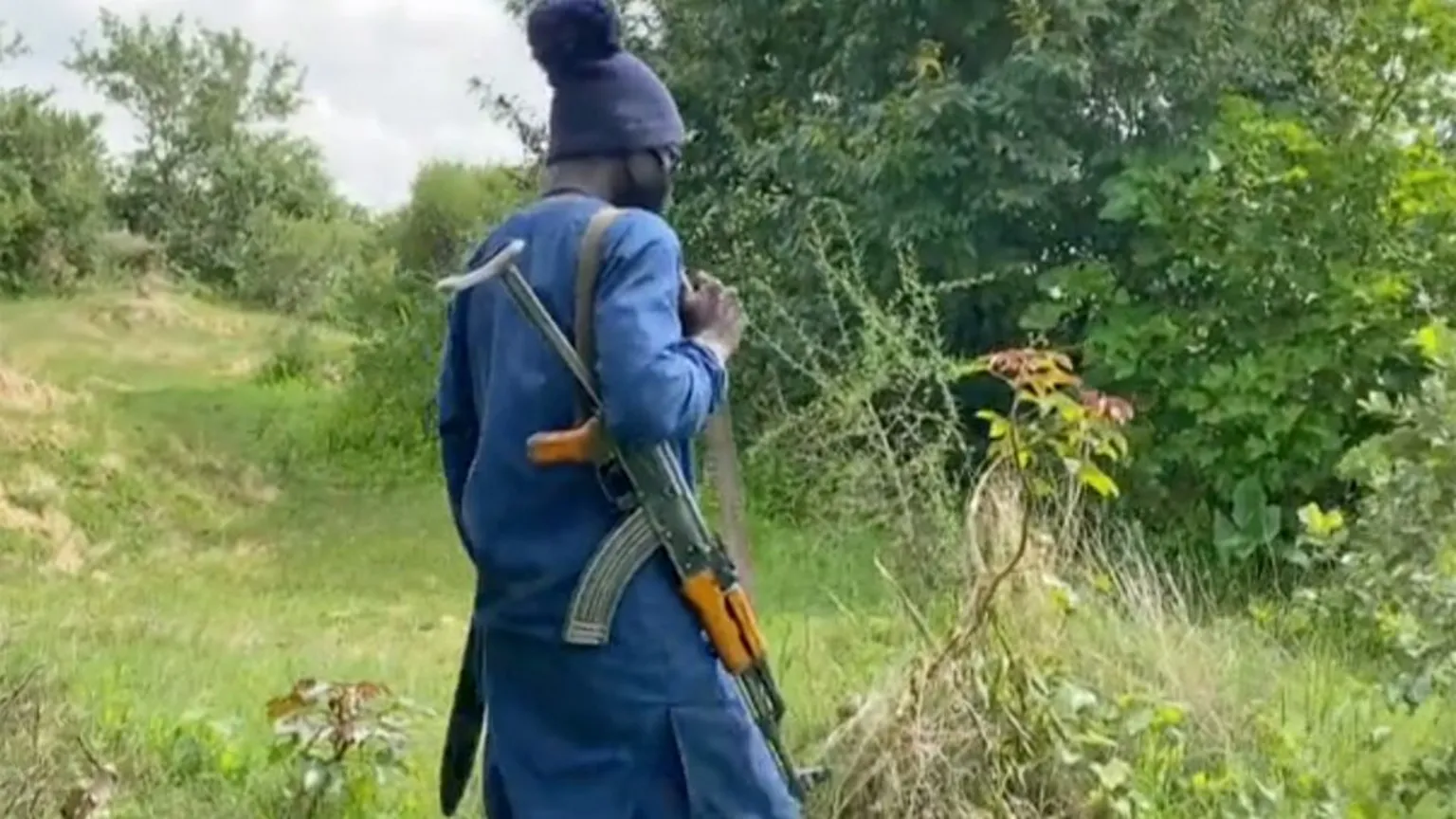
More than 150 insurgents, commanders, and auxiliary fighters surrendered to troops of Operation Hadin Kai in Borno State over the past seven days. The Joint Task Force North East confirmed the mass capitulation on Monday, 25 August 2026, through its acting military information officer, Captain Mohammed Goni. This tally marks a threefold jump from the fifty combatants who laid down their weapons the previous week. Coordinated ground offensives, continuous airstrikes, and tight food blockades broke the resolve of isolated forest enclaves across the Sambisa and Lake Chad fringes. The surrendering militants handed over stockpiles of assault rifles, belts of live ammunition, and communication handsets to advancing infantry columns. Military planners attribute the sudden exit to a strategy that pairs heavy firepower with backchannel surrender appeals. Forest fighters now choose state custody over slow starvation and aerial bombardment. Relentless operational pressure dissolves insurgent discipline faster than ideological zeal can restore it.
The surge in surrenders exposes severe cracks in the supply systems that keep bush garrisons alive. Army units have severed the clandestine motorcycle trails that once brought grain, fuel, and medical kits from border towns. Deserting fighters arrive at military outposts emaciated, barefoot, and stripped of operational morale. They report that internal rivalries between Boko Haram factions and Islamic State West Africa Province fighters make survival in the marshes impossible. The Nigerian Air Force maintains round-the-clock armed reconnaissance flights that bomb makeshift bush camps whenever fighters gather. Without dry hideouts and steady food supplies, cell leaders can no longer command the absolute obedience of their foot soldiers. Starvation turns ideological zealots into desperate pragmatists. Hunger does the heavy lifting where bullets alone struggle.
The military task force now combines armed combat sweeps with deliberate non-kinetic psychological messaging. Army information units drop leaflets across rebel corridors and broadcast local-language radio appeals to coax fighters out of the brush. Community elders and traditional rulers in reclaimed border towns serve as trusted contact points for those wishing to renounce violence. Captain Goni stressed that strategic communications convince low-ranking fighters that surrender does not mean instant execution in a military trench. This psychological wedge widens the distrust between hardened commanders and their weary conscripts. Rank-and-file militants realise that their superiors eat well while frontline combatants die in mosquito-infested swamps. Persuasion works best when backed by overwhelming artillery support.
Managing the reception and screening of over 150 battle-hardened fighters presents a delicate security headache for the state. Military intelligence officers must separate genuine defectors from undercover saboteurs sent to spy on troop formations. The defence establishment screens every individual to determine their rank, combat record, and degree of radicalisation. Those cleared of active war crimes move into the federal deradicalisation programme under Operation Safe Corridor in Gombe State. Yet host communities in Maiduguri and surrounding villages still view mass surrenders with justifiable bitterness and dread. Local residents watched these same men burn schools, pillage granaries, and murder community leaders for over a decade. Justice must walk hand-in-hand with military rehabilitation.
The steady loss of fighters and operational commanders cripples the tactical reach of rebel networks across the Lake Chad basin. Armed bands can no longer assemble the large assault convoys that once overran remote army forward operating bases. They resort instead to planting crude landmines on rural supply roads and ambushing isolated farming parties. Even these desperate tactics yield diminishing returns as local vigilantes guide army patrol teams through hidden forest tracks. Defecting fighters provide fresh intelligence on arms caches, bomb workshops, and the exact coordinates of hidden command caves. The army uses this fresh tactical information to launch surgical air raids before insurgents can shift base. Every defection robs the insurgency of both a gun and a secret.
Regional border cooperation remains critical to preventing the remaining fighters from slipping into neighbouring territories. Fleeing insurgents often attempt to cross the shallow marshlands into Cameroon, Chad, or Niger when Nigerian troops close in. The Multinational Joint Task Force maintains coordinated amphibious patrols to seal these maritime escape routes on the lake. Securing these porous frontiers stops regional weapons syndicates from delivering fresh ammunition to trapped combatants. The regional joint task force must keep its forward operating bases fully supplied to prevent gaps in border surveillance. Sustained multilateral encirclement prevents shattered rebel units from regrouping across national frontiers. International cooperation converts battlefield victories into permanent regional stability.
The federal government must now match its battlefield dominance with durable civilian governance in liberated districts. Clearing a forest camp means very little if civilian authorities fail to build police posts, schools, and medical clinics in reclaimed towns. Displaced farming households will return to their ancestral lands only when regular civil authorities guarantee everyday physical security. The Borno State government has reopened several agrarian communities, but these vulnerable hamlets need sustained economic investment. Farmers need fertiliser, credit, and reliable road links to restore food production across the fertile Chad basin. Lasting peace grows out of economic revival rather than military occupation alone. The gun can clear the land, but only the plough can hold it.
The military command must maintain this offensive momentum without letting complacency soften its frontline edge. Dispersed insurgent remnants will search for soft targets to stage dramatic attacks and dispute the narrative of their decline. Intelligence agencies must track the urban financiers and logistical middlemen who move money through proxy bank accounts to sustain the bush cells. Cutting the cash pipelines will starve the remaining holdouts of fuel and fresh ammunition. The surrender of 150 fighters marks a significant operational success, but it does not signal the absolute end of the northern insurgency. Decisive victory requires total destruction of the remaining forest networks and complete rehabilitation of torn communities. The armed forces must finish the job they started.