
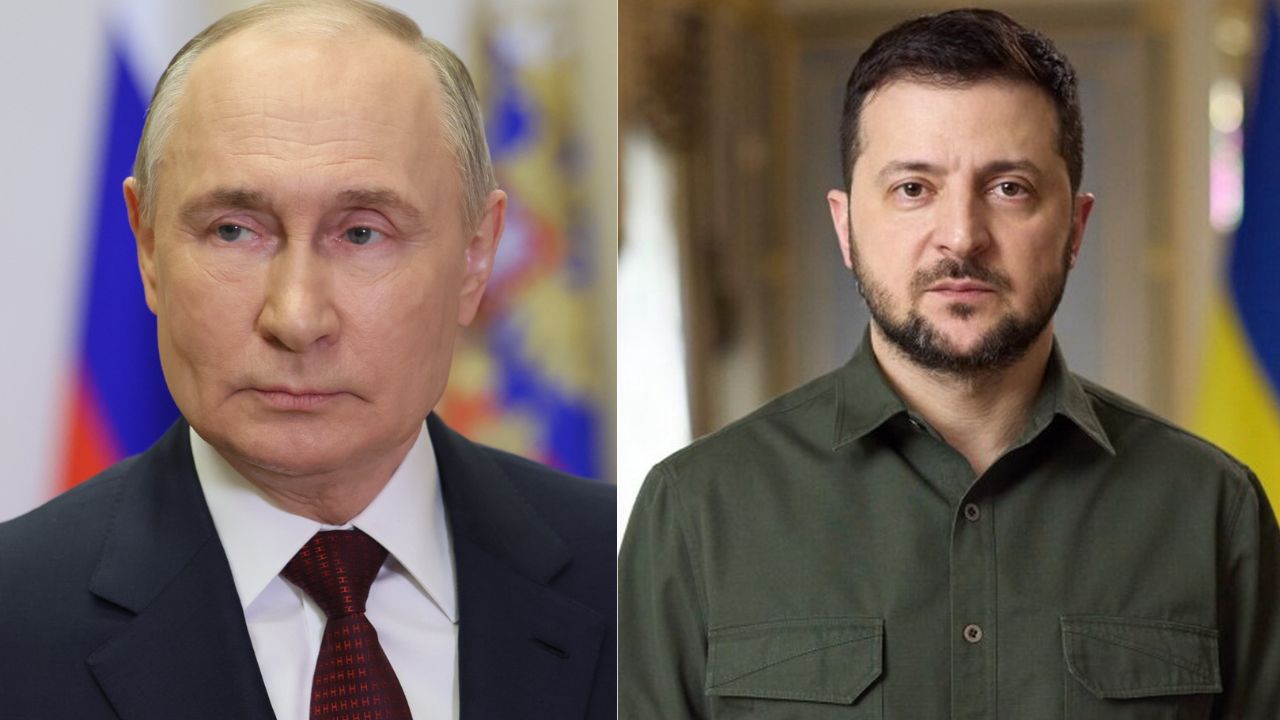
President Volodymyr Zelenskiy ended a two-day pause on Thursday, 15 October, declaring that Ukraine will resume drone attacks on Russian oil refineries after Washington throttled battlefield data and internet feeds to enforce an energy ceasefire. The Ukrainian leader told the Financial Times that his military command finished its brief experiment with American diplomatic restraints, confirming that previous curbs on striking deep industrial targets no longer apply. Patience wore out fast. The decision tears up a fragile truce that Donald Trump brokered earlier this week, proving that Kyiv will not tie its own hands while Russian ballistic missiles continue to level municipal power plants across eastern and central Ukraine.
The White House orchestrated the brief pause by threatening to cut off essential military intelligence, leaving Ukrainian air defence crews blind to incoming Russian air raids while technicians slowed down Elon Musk’s military Starshield communications network across front-line units. American officials dismissed the communications blackout as an accidental equipment breakdown, but Mr Zelenskiy rejected that excuse, insisting that senior staff in Washington engineered the digital throttle to punish Ukraine for hitting Russian processing plants. Coercion cannot replace true consensus. That high-handed tactic backfired badly, because taking away early warning data left civilian cities completely defenceless against daily missile salvos, forcing Kyiv to conclude that obeying American requests brought immense tactical harm without winning a single security concession from Moscow.
The rift exposes the conflicting domestic calculations driving war policy in Washington and military planning in Kyiv ahead of next month’s American congressional elections. The American president desperately needs lower forecourt fuel costs to protect his party’s electoral chances, which makes burning Russian cracking towers in the Volga basin a direct political threat to his administration. Cheap petrol matters to American voters. Mr Zelenskiy faces an entirely different calculation, because starving the Kremlin of hard export cash and aviation kerosene remains Ukraine’s most effective weapon to slow down Russian trench advances along the Donbas front lines.
The Ukrainian president set a high bar for any future halt to energy strikes, demanding fresh batteries of American-made Patriot interceptors as the minimum price for any new truce. Drones remain Ukraine’s primary shield. General staff officers recognise that burning refineries forces Moscow to move air defence systems away from the front line to guard domestic fuel installations, which opens fresh holes in Russian army communication lines that Ukrainian ground units can exploit. Ukraine refuses to surrender that operational advantage for vague diplomatic promises from foreign leaders who look for quick campaign trail victories.
The collapse of this two-day truce demonstrates that foreign powers cannot dictate the limits of warfare to a sovereign state fighting for its physical survival. As long as Russian rocket crews batter Ukrainian heating grids ahead of winter, low-flying strike craft will continue to hunt fuel depots across the Russian hinterland. Broken promises lead to fire. Kyiv intends to trade blow for blow until Western sponsors deliver heavy anti-aircraft batteries or Moscow stops its daily air raids against Ukrainian cities.