
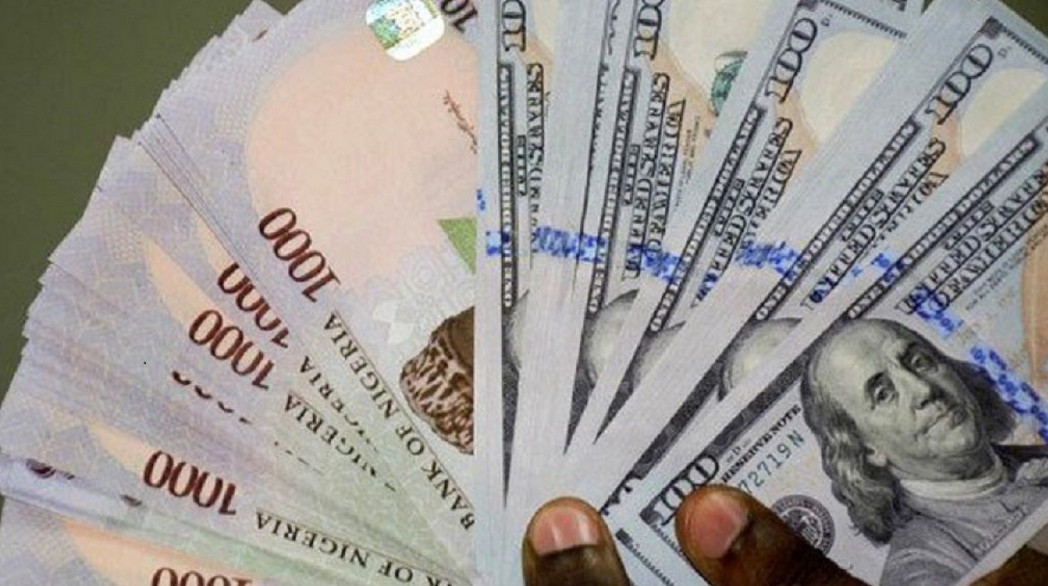
The Nigerian naira lost its recent momentum on the parallel market, dipping to N1,398 against the United States dollar. Bureau de Change operators across major street markets reported the slide following a fresh surge in corporate and retail foreign exchange demand. The minor depreciation halts a brief period of appreciation that had pulled the local currency down to the N1,385 range. Currency traders noted that the informal market remains highly sensitive to immediate shifts in dollar availability. This latest downward movement signals that the domestic foreign exchange market has not yet reached absolute equilibrium.
The sudden dip highlights the persistent structural dollar shortage that continues to test the central bank’s intervention capacity. Street traders in Lagos and Abuja stated that retail buyers rushed to secure hard currency for summer travel and import orders. This speculative push quickly absorbed the modest liquidity gains recorded during the previous trading sessions. The central bank recently reassigned its deputy governors, placing Emem Usoro Ikeazor in charge of the core monetary policy directorate. Financial analysts expect this leadership shuffle to bring fresh oversight to the management of official and informal foreign exchange windows.
The widening spread between official bank rates and street quotes keeps the door wide open for arbitrage practices. Round-tripping and informal hoarding continue to pull vital liquidity away from the official financial architecture. To counteract these leakages, the apex bank has maintained an aggressive monetary tightening stance, keeping interest rates at restrictive levels. This high-yield policy aims to encourage foreign portfolio capital inflows while making naira-denominated assets more lucrative. However, the continuous fluctuations on the parallel market indicate that hot money inflows have yet to fully tame local demand.
The manufacturing sector remains highly vulnerable to these sudden changes in parallel market pricing. Factory owners depend heavily on the informal market to source raw materials when official banking channels delay allocations. Erratic exchange rates complicate corporate planning, inflate production costs, and drive up consumer prices for everyday items. Industrialists warn that the economy cannot achieve price stability until the central bank matches interest rate hikes with consistent fiscal discipline. The government must find a way to stabilize the local currency without choking off vital credit to the real sector.
The long-term outlook for the naira depends entirely on Nigeria’s capacity to boost its net foreign reserves through non-oil exports. Recent official data revealed that national food import spending fell by 7.4 percent to $2.34 billion in 2025. While this drop offers minor relief to the balance of payments, it remains insufficient to offset broader structural deficiencies. The central bank must remain steady in its policy path and resist the temptation to ration capital arbitrarily during brief liquidity squeezes. Until the state builds a deep, self-sustaining reserve cushion, the naira will remain at the mercy of informal street sentiments.