
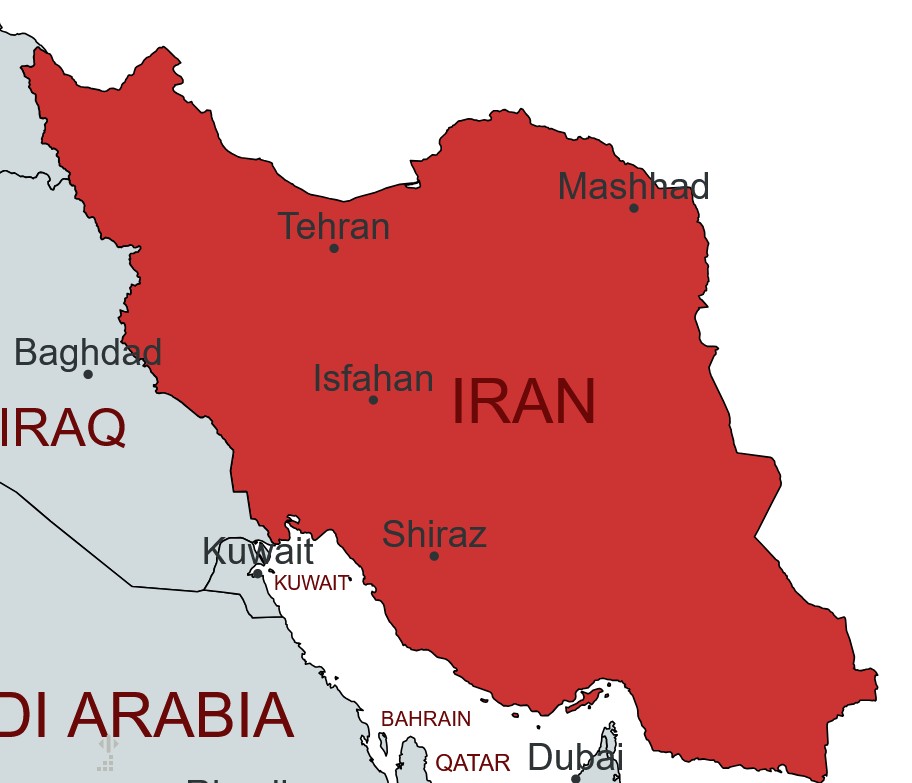
Iran promised swift retaliation on Tuesday, 25 August 2026, after the United States widened economic sanctions to choke Tehran’s remaining foreign revenue. United States Treasury Secretary Scott Bessent unveiled measures against 60 individuals, entities, and vessels on Monday. The new rules threaten to shut foreign banks out of dollar clearing if they maintain commercial ties with Tehran. Iranian Economy Minister Ali Madanizadeh warned that Tehran possesses its own financial tools to fight back. He declared on state television that Iran will abandon passive defence to launch retaliatory strikes against hostile economic interests. Brigadier General Hossein Mohebbi of the Islamic Revolutionary Guard Corps threatened severe blows to Western energy chokepoints. Financial warfare now replaces stalled battlefield diplomacy across the Gulf. The regional standoff grows more dangerous by the hour.
The White House designed this latest blitz to sever Iran’s commercial lifelines without crashing global financial plumbing. Mr Bessent stopped short of penalising major Chinese state banks that handle the bulk of Iranian crude transactions. He told reporters that Washington wants to give foreign buyers time to sever ties voluntarily. American planners dread triggering Chinese retaliation ahead of high-level presidential talks in September. Beijing controls vital supplies of rare earth minerals that American industrial supply chains need every day. Chinese diplomats rejected the American sanctions outright and promised to defend domestic corporate interests. Washington discovers the sharp limits of unilateral financial coercion against sovereign trading giants. Financial threats rarely cow nations that hold counter-leverage.
Tehran focuses its tactical countermeasures on the narrow waters of the Strait of Hormuz. Iranian authorities published a blacklist of 45 commercial tankers that allegedly broke passage rules. Revolutionary Guard commanders threaten to seize these ships and confiscate their oil cargoes. An unidentified projectile disabled a foreign oil tanker off the coast of Oman on Tuesday morning. Maritime insurers have raised war-risk premiums to prohibitive levels for vessels entering regional waterways. Commercial shipping volumes through the strategic corridor have dropped to historic lows. Tehran treats the waterway as a private toll gate to squeeze global oil consumers. Global energy flows remain hostage to regional naval brinkmanship.
Regional intermediaries scramble to broker a truce before economic skirmishes turn into open warfare. Pakistan’s army chief, Field Marshal Asim Munir, led a senior delegation to Tehran for emergency talks. Pakistani Interior Minister Mohsin Naqvi reported constructive exchanges with the Iranian leadership regarding the Strait of Hormuz. Islamabad seeks to revive the stalled June memorandum that promised a ceasefire and trade relief. Oman will also dispatch its foreign minister to present fresh maritime safety proposals to Iranian officials. These regional diplomatic missions struggle against the deep mutual distrust separating Washington and Tehran. Previous peace accords collapsed because neither adversary would make irreversible concessions. Good intentions cannot bridge fundamentally incompatible geopolitical goals.
The Iranian domestic economy enters this financial clash under extreme systemic stress. The rial dropped past two million per dollar on the open market in Tehran this week. Runaway inflation erodes the living standards of ordinary workers across major provincial cities. State factories struggle to source spare parts after months of naval blockade and infrastructure damage. Yet decades of trade embargoes taught the clerical regime how to build resilient smuggling networks. Underground brokers move cash through regional money houses that operate outside Western regulatory oversight. Economic hardship hurts the common people far more than the ruling elite. Sanctions alone have never toppled a determined authoritarian government.
Gulf Arab monarchies find themselves caught in a dangerous vice between American decrees and Iranian proximity. The United Arab Emirates suspended direct trade and banking relationships with Tehran to avoid American secondary sanctions. Saudi Arabia and Qatar fear that Iranian drones could strike their domestic export terminals and desalination plants. These regional oil producers rely entirely on open sea lanes to sell their hydrocarbons to Asian refiners. They host American military bases that present easy targets for Iranian ballistic missile batteries. Gulf rulers quietly urge Washington to avoid steps that would shut the waterway completely. Neutrality offers very little cover in a crowded and militarised sea basin. Small states pay a heavy price when great powers collide.
International oil markets watch this escalating duel with growing dread. Benchmark Brent crude prices steadied near $93 a barrel after dropping earlier in the week. The United States Strategic Petroleum Reserve dropped by nearly four million barrels last week to its lowest level since 1982. Western governments possess very few emergency barrels to cushion future supply shocks. International Energy Agency officials refuse to consider coordinated public stockpile releases at this stage. Investment banks warn that physical disruption in the strait could push crude prices well above $120 a barrel. A prolonged energy shock would reignite global inflation and derail growth across import-dependent economies. The world economy remains highly vulnerable to supply disruptions.
Neither Washington nor Tehran possesses an easy diplomatic off-ramp from this confrontation. The White House counts on secondary sanctions to starve the Iranian state of foreign cash. Tehran responds by turning its geographic position into an economic weapon against global shipping. United States Defence Secretary Pete Hegseth insists that military strikes across the Gulf remain on the table. Iranian commanders promise instant counter-attacks against American assets if naval units intervene. Both capitals pursue maximalist goals that leave almost no space for mutual compromise. Coercive economics will test the pain tolerance of both nations over the coming weeks. Brinkmanship usually ends in miscalculation.